SPEAKER
Patrick Debois
AI Product Engineer · Tessl
Patrick is a pioneer, credited with coining the term DevOps, co-authoring the DevOps Handbook, and launching the very first DevOpsDays back in 2009. Since then, he’s been shaping the tech industry and brings depth across development, security, operations, and GenAI.
Upcoming sessions
See complete program3 November
2:35 PM · 30 min
1,000 Coding Agents, One Main: Leading the Shift to Concurrent Delivery
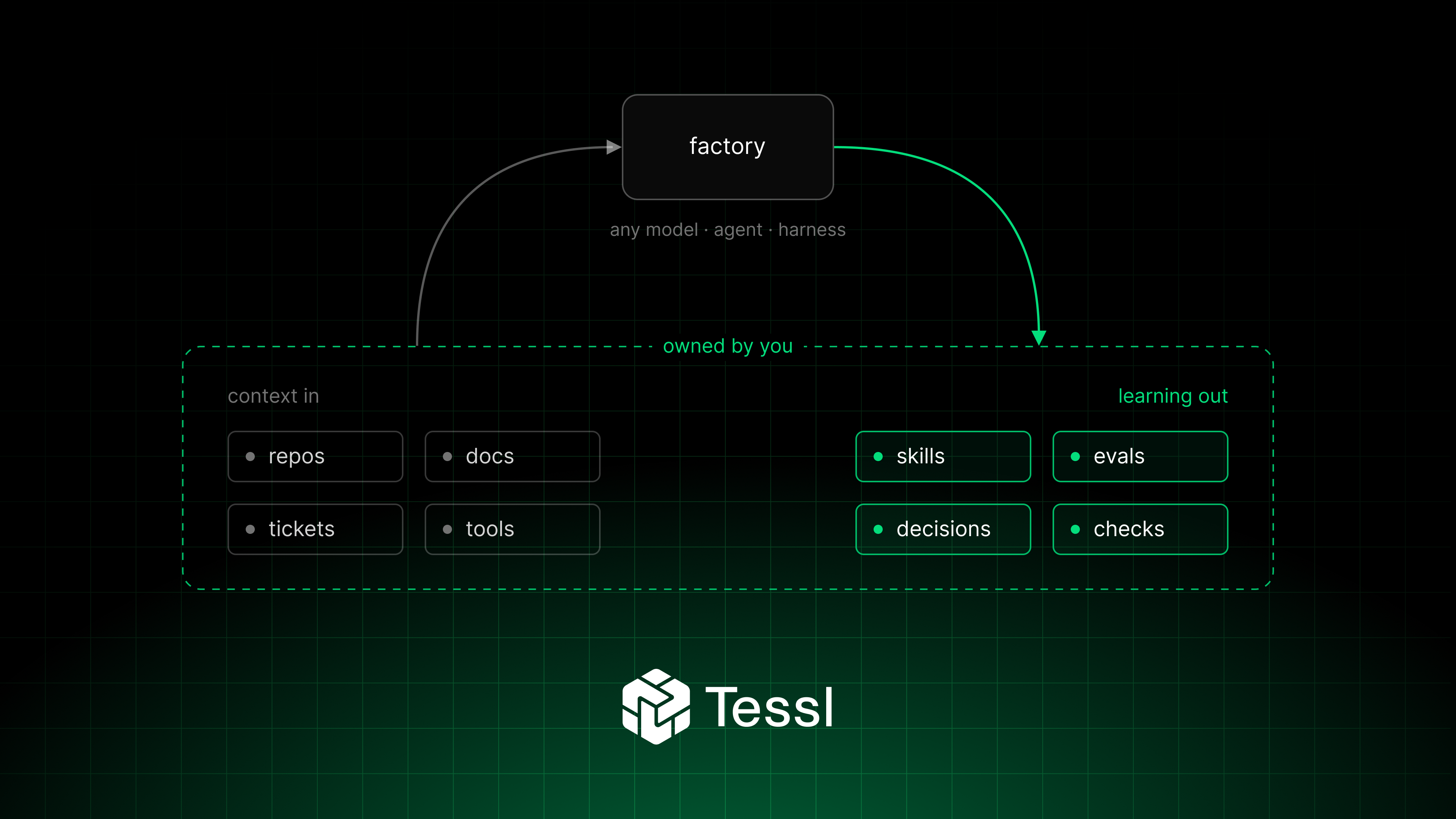
Organizations are building software factories: fleets of coding agents, automated validation, changes that merge themselves. But what happens when you actually turn the factory on? Hundreds of agents start working at once, and their work collides as it comes back together into one codebase, one release, and one person’s understanding of the system. Code gets written faster, but delivery doesn’t speed up with it.
Two coordination problems sit underneath:
- Agents must work alongside each other without undoing each other’s work. Or having turf wars on the code base.
- And people, whose attention is now the scarce resource, must still direct the work and decide what ships, even when no person wrote the change.
The next advantage isn’t faster agents. It’s delivering when they all work at once.
Coding Agents Don't Scale Themselves. Neither Do Your Teams.The Rise of Agent Enablement.On demand
1 June, 4:55 PM · 30 min
Past sessions
1 June
4:55 PM · 30 min
Coding Agents Don't Scale Themselves. Neither Do Your Teams.The Rise of Agent Enablement.
Every company wants to know how others are actually scaling AI coding. But it's hard to get past the generic transformation stories. What are the new practices showing up in real engineering orgs? What does maturity actually look like, and what separates teams that are moving from teams that are stuck? What are the patterns for enabling humans and agents, together?
Patrick Debois has been collecting the practices and patterns, talking to the early Agent Enablement teams already on the job, team leads, and VPs of Engineering. What's showing up is a new function: a team that enables other teams to get real leverage out of their agents.
This talk takes the [Context Development Lifecycle](https://tessl.io/blog/context-development-lifecycle-better-context-for-ai-coding-agents/) off the individual laptop and onto the org chart, grouped across three pillars:
- **Enablement.** From individual experimentation to team and org-level fluency with agents.
- **Platform.** Agent tooling that runs like a real delivery pipeline: fast, observable, cost-aware.
- **Governance.** Ad-hoc guardrails growing into real evaluation, telemetry, and accountable agent work.
For Agent Enablement leaders scaling it out across the org. For team leads looking to help their teams get better at this. For VPs ready to unblock the friction and unlock what agents can actually do.
*Coding agents don't scale themselves. This is the talk about who does*